You Can Binge Watch Five Adorable Newborn Cheetah Cubs Live at the National Zoo's 24-Hour Cheetah Cam
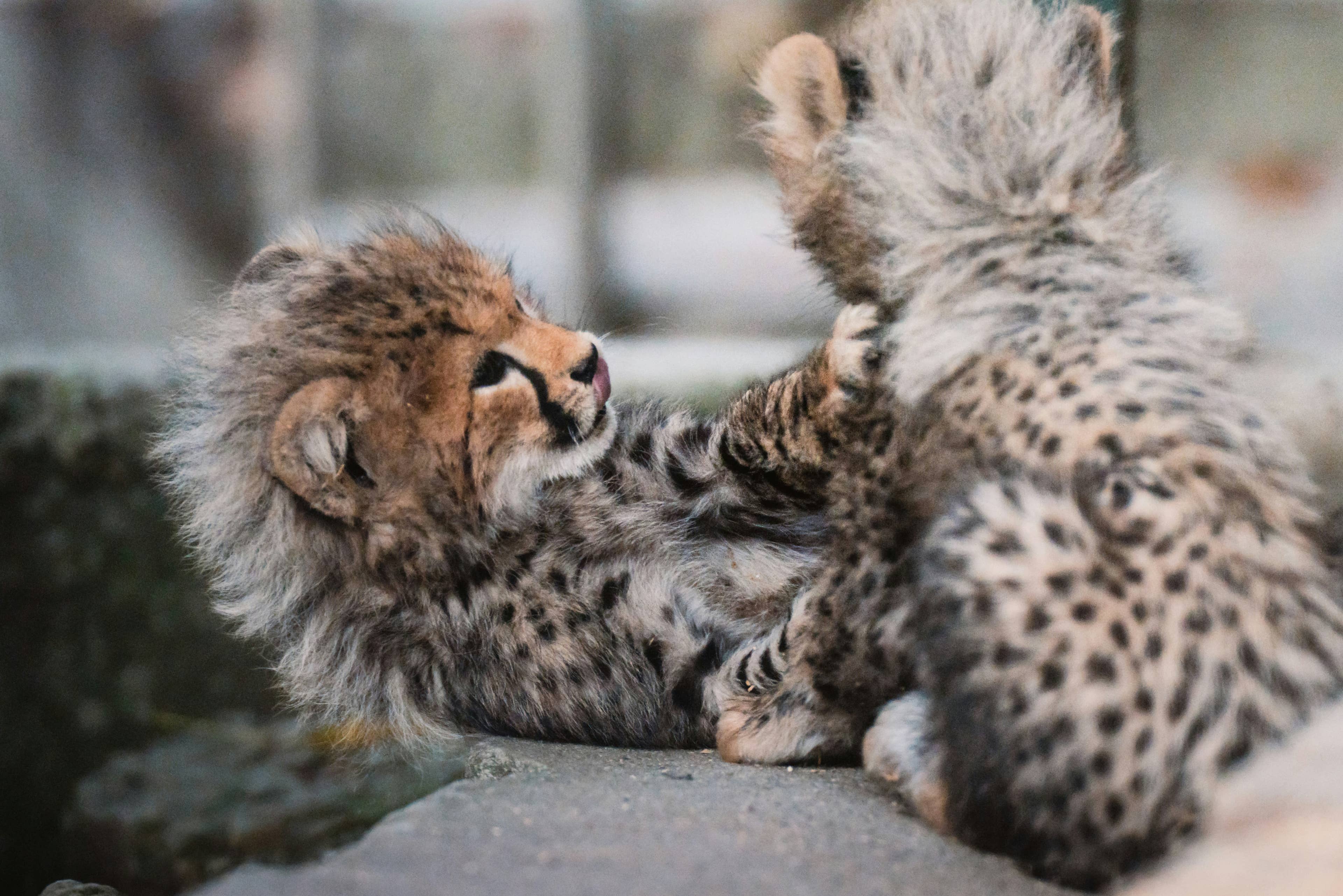
(Photo by Ahmet Yüksek ✪ on Unsplash)
Five cheetah cubs arrived at the Smithsonian’s National Zoo and Conservation Biology Institute earlier this month, and while you can’t go meet them in person just yet, the zoo has done the next best thing: There’s a 24-hour Cheetah Cub Cam, so you can watch them bond with their mom, Zura, any hour you please. Productivity: canceled.
I tuned in a little bit (ok, a lot), and the view is perfect.
“Look at all the lil Cheetos,” says one viewer.
“Today, the internet wins,” adds another. I couldn’t agree more.
But I also have the same question that another person asks in the comments: “How is a species with only 7000 left not considered endangered?”
Related: Bichon Gives Birth to 6 Cotton Balls, and One Year Later, Life Is a Frenzy of Fluff
Are Cheetahs Endangered?
Technically, no, but that answer is less comforting than it sounds. The IUCN Red List classifies cheetahs as vulnerable, which is one rung below endangered. But according to the National Zoo, the same place where Zura just had her litter, the global cheetah population has dropped more than 90 percent since 1900. Fewer than 7,000 remain in the wild, and they occupy less than 10 percent of the range they once roamed, which stretched across South Asia, the Middle East, and nearly all of Africa.
Cubs are the other half of the story. In Tanzania’s Serengeti, only one in twenty cheetah cubs survives to adulthood. Five healthy cubs on a livestream is not a small thing.
Then there’s the problem written into their DNA. Around 12,000 years ago, at the end of the last Ice Age, cheetahs went through a population bottleneck so severe that the species never recovered its genetic variety. Today’s cheetahs are startlingly similar to one another, which leaves them unusually exposed to disease, environmental change, and fertility trouble.
That’s why a litter in Virginia is a scientifically significant event and not just an adorable one. The Association of Zoos and Aquariums maintains a cheetah studbook, essentially a managed family tree for the species, and uses it to pair genetically compatible animals (how cool?). The Smithsonian calls these people matchmakers, and they’ll move a cheetah hundreds of miles to make an introduction. Zura’s five cubs are what that system looks like when it works.
Now excuse me while I return to my regularly scheduled cub programming.
Related: Elated Black Lab at Sleepover Tries Hard to Contain His Zoomies By Using ‘Parking Brake’
🐶 SIGN UP to get “pawsitivity” delivered right to your inbox with inspiring & entertaining stories about our furry & feathered friends🐾🐾
This story was originally published by Parade Pets on Oct 23, 2026, where it first appeared in the Pet News section. Add Parade Pets as a Preferred Source by clicking here.
Source: Nature



0 Comments