Christa Pike Has Rare Form of Cancer. Her Lawyers Warned About the Risks Before Her Botched Execution
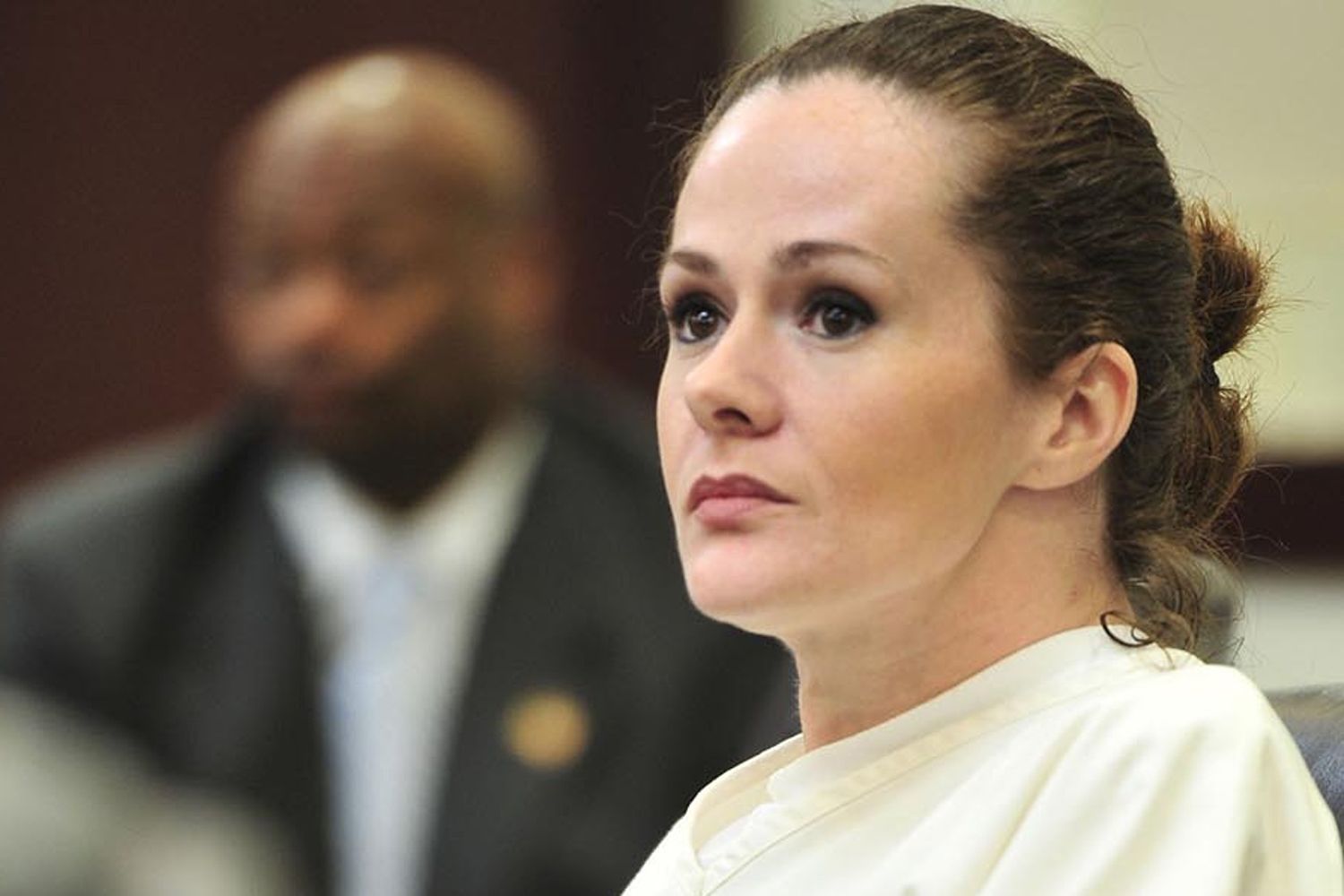
Christa PikeCredit: Dipti Vaidya-USA TODAY NETWORK via Imagn Images
Christa Pike’s lawyers said that she suffers from myeloproliferative disorder in a January 2026 court filing
Myeloproliferative disorder is a rare form of blood cancer
Pike’s lawyers warned that her medical conditions could make a lethal injection especially painful and increase the risk of complications
Nine months before Christa Pike survived a botched execution in Tennessee, her attorneys warned that a rare blood disorder linked to cancer could make her lethal injection especially painful and dangerous.
Pike’s lawyers submitted a complaint arguing that her planned execution was a violation of the First, Eighth and Fourteenth amendments on Jan. 8, 2026, writing that any attempt to inject their client would be “very likely to result in unnecessary and superadded pain and suffering, terror, and disgrace.”
That complaint, a copy of which was obtained by PEOPLE, also said that Pike had cancer.
Christa PikeCredit: Tennessee Department of Correction
Want to keep up with the latest crime coverage? Sign up for PEOPLE’s free True Crime newsletter for breaking crime news, ongoing trial coverage and details of intriguing unsolved cases.
Pike’s “platelet count is significantly elevated, likely due to a rare form of blood cancer called myeloproliferative disorder,” the complaint said.
Pike’s lawyers argued that her thrombocytosis, a condition characterized by elevated platelet levels, could increase her risk of developing severe pulmonary edema, a potentially dangerous buildup of fluid in the lungs, during a lethal injection.
“A pulmonary edema is not simply painful or uncomfortable; it can create a sense of suffocating or drowning that has been likened by experts to the sensation intentionally induced by the practice of waterboarding—an unambiguous form of outright torture,” Pike’s lawyer says in the filing.
That complaint also stated that there were a number of problems with Pike’s veins.
Pike has “a history of difficulty with blood draws and needle insertion,” according to the complaint, which notes that prison medical staff use a butterfly needle to draw her blood.
Pike’s lawyers then write that a butterfly needle “is a feasible and readily implemented alternative that significantly reduces the substantial risk of unnecessary pain and suffering posed.”
Those lawyers also complained about the newly protocol for executions in Tennessee, and specifically said that it “fails to provide counsel with immediate access to a telephone before and during the execution.”
Her attorneys argued that immediate telephone access was necessary so they could contact the courts if problems arose during the execution.
Some of those concerns appeared prescient on Sept. 30, when execution team members reportedly struggled to establish working IV lines before Pike survived two rounds of lethal-injection drugs.
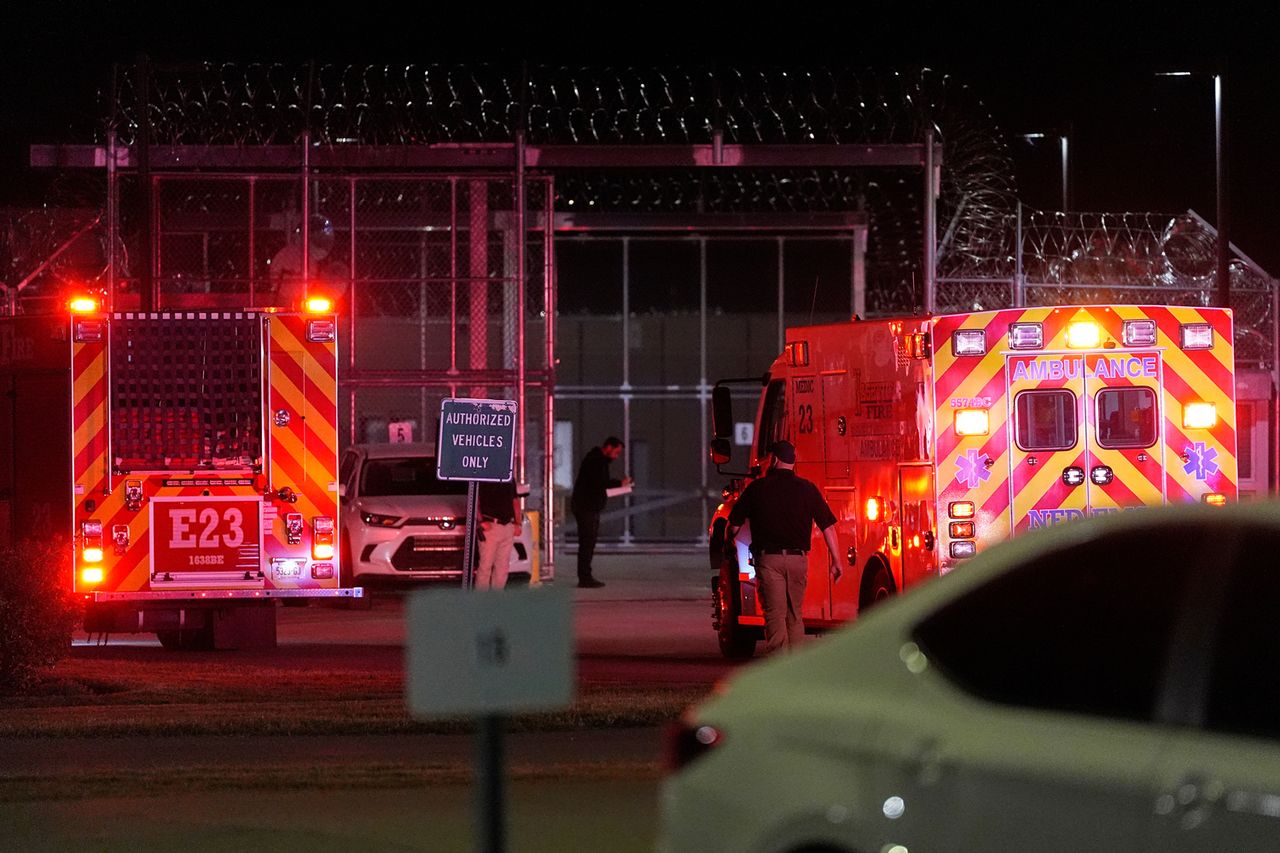
Emergency vehicles arrive on Sept. 30 after Christa Pike’s botched executionCredit: AP Photo/George Walker IV
Pike was hospitalized for 10 days and has now returned to the Debra K. Johnson Rehabilitation Center, where she spends most of her days in solitary confinement.
Pike’s attorneys have filed an emergency motion seeking to end her solitary confinement, with both sides expected to submit arguments to the court this week.
Pike’s future remains uncertain. Tennessee Gov. Bill Lee suspended the state’s remaining executions for 2026 and ordered an independent investigation into the failed execution.
Pike was sentenced to death for the 1995 murder of 19-year-old Colleen Slemmer. Pike, then 18, and her boyfriend at the time tortured the young woman before stabbing her with a box cutter.
Source: Crime
