


The United States will "get the oil flowing the way it should be" in Venezuela with thehelp of oil companies, PresidentDonald Trumpsaid in a news conference afterU.S. forces snatched Nicolás Maduro, the country's leader, in a surprise operation Jan. 3.
The Trump administration's capture of Maduro will open up Venezuela's massive, state-owned oil reserves to oil giants previously blocked from access, Trump promised in a news conference after the overnight military operation.
"We're going to rebuild the oil infrastructure, which will cost billions of dollars," Trump said. The cost will be "paid for by the oil companies directly," but they will be "reimbursed," he said.


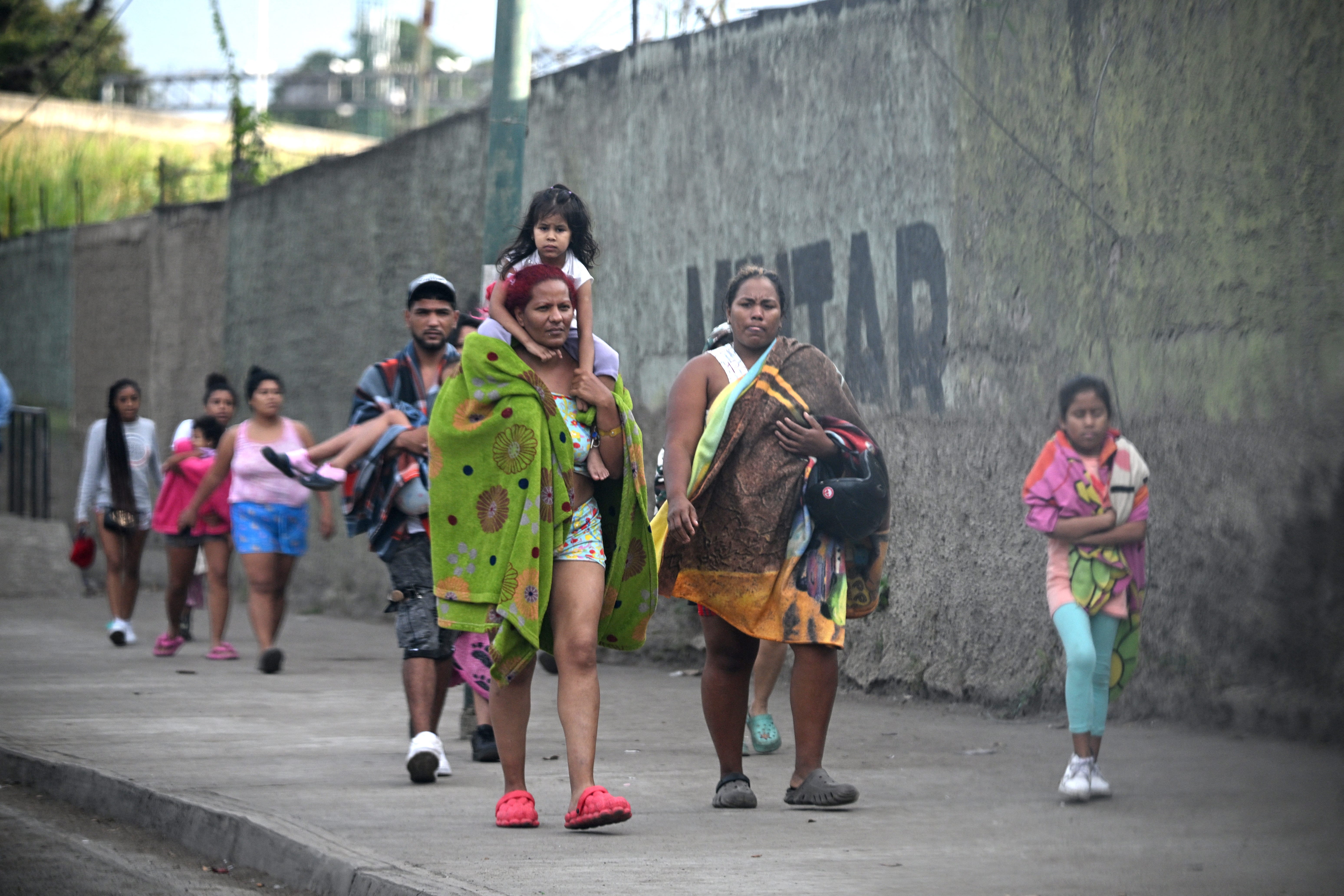


US bombs targets in Venezuela and captures Nicolás Maduro, Trump says
"We're going to get the oil flowing the way it should be," he added.
Trump made the comments as he announced theU.S. will "run" Venezuelauntil a new leader could be selected. He did not detail any specifics as to how the nation would be administered.
As Trump upped the pressure on Maduro in the months leading up to the operation to capture him by force in Caracas, he accused Venezuela of stealing U.S. oil and ordered U.S. forces to blockade oil tankers from doing business with the country. With Maduro removed from power and en route to face trial in the U.S., oil companies will play a large part in that plan, Trump said.
The U.S. will have a "presence in Venezuela, as it pertains to oil," he said.
Trump said the U.S. will continue to sell oil to other countries that bought Venezuelan oil exports, like Russia and China.
"We'll be selling oil, probably in much larger doses, because they couldn't produce very much because their infrastructure was so bad," he said.

Venezuela has the largest oil reserves of any country worldwide, but the oil produced is of poor quality by U.S. standards.
Those reserves have been almost completely off limits to American oil giants since Venezuela placed them in the hands of a state-run company called Petróleos de Venezuela, S.A., or PDVSA, in the mid-1970s.
The exception is Chevron, which is allowed to operate through a joint venture with PDVSA.
The Trump administrationcanceled Chevron's licenseto operate in Venezuela early in 2025, then reneged in July and granted the company a limited license.
Trump has not spelled out the rationale behind his claim that Venezuela stole U.S. oil. In 2007, Maduro's socialist predecessor Hugo Chávez seized oil fields privately owned by foreign companies, including some belonging to American companies like Exxon and ConocoPhilips.
Politicoreportedin mid-December that the Trump administration had reached out to those companies about reopening business in Venezuela.
Last month, the Trump administration moved to seize three oil tankers off the coast of Venezuela. Thefirst two were capturedcarrying exported Venezuelan crude oil. A third tanker, which hadn't yet loaded up with cargo,fled U.S. forcesand hastilyreregistered as a Russian shipto evade seizure by the U.S.
Trump announced that U.S. forceswould enforce a total blockadeof oil tankers under U.S. sanctions entering or leaving Venezuelan ports.
Venezuelahas drawn irein Washington for exporting oil to U.S. foes including China, Russia, Iran and Cuba.Oil makes up around 90%of Venezuelan exports and plays a massive role in its economy, which has for decades been under heavy U.S. sanctions.
This article originally appeared on USA TODAY:What happens to Venezuela's oil after US attack, Maduro captured?


